
Pre & Post-Operative Care Instructions for Dental Implant Patients
Proper preparation before surgery and disciplined aftercare following your procedure are among the most important factors in successful implant outcomes. These instructions apply to all implant patients at Advanced Dental Implant & TMJ Center.
24hr
6-8wk
48hr
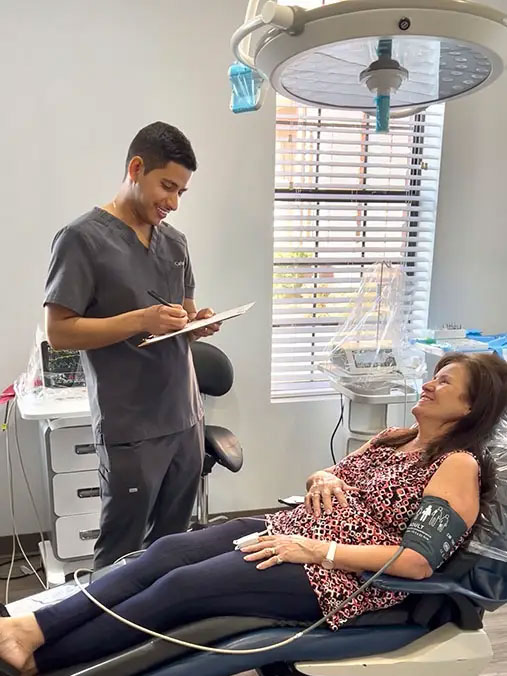
Pre-Op Consultation - Patient Reviewing Instructions
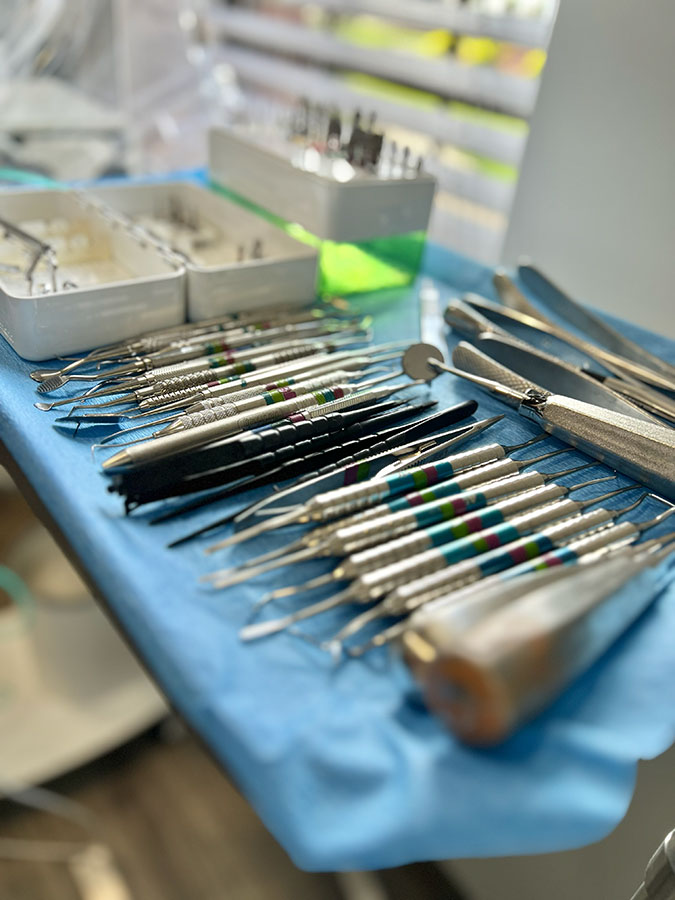
Pre-Op Kit
Patient Arriving
Before You Come In - Pre-Operative Instructions
Following your pre-operative instructions carefully protects your safety and sets the stage for your best possible outcome. These guidelines apply to all surgical implant appointments unless Dr. Adatrow has communicated otherwise at your consultation.
If You Are Having IV Sedation
Fasting is Required - No Exceptions
You must have nothing to eat or drink for 6–8 hours before your scheduled appointment – including water, gum, mints, or any oral medication unless specifically cleared by Dr. Adatrow. Failure to fast is a patient safety issue and will result in procedure postponement. This includes black coffee and all beverages.
Arrange a Responsible Driver
You must have a responsible adult accompany you to your appointment and drive you home afterward. You may not drive, operate machinery, or make significant decisions for the remainder of the day following IV sedation. Uber and Lyft alone (without a known companion) are not acceptable substitutes — a trusted adult must be present for discharge.
Medications - Follow Specific Instructions
If Dr. Adatrow has prescribed pre-operative antibiotics or anti-inflammatory medication, take them exactly as directed. If you take daily medications (blood pressure, diabetes, etc.), ask your care team which ones to take the morning of surgery with the smallest sip of water possible. Do NOT stop blood thinners or other critical medications without explicit approval from Dr. Adatrow AND your prescribing physician.
Dress Comfortably - Wear Loose, Short-Sleeved Clothing
Wear comfortable, loose-fitting clothing with short or easily rolled-up sleeves (for IV access). Avoid tight collars. Do not wear contact lenses. Remove all nail polish from at least one fingernail (for pulse oximetry monitoring). Leave jewelry and valuables at home.
Oral Preparation
Brush and floss thoroughly the evening before your appointment. You may brush your teeth the morning of surgery but do not swallow any water. If a pre-operative rinse (such as chlorhexidine) was prescribed, use it as directed. Remove dentures or removable appliances before arriving.
No Smoking for at Least 48 Hours Pre-Op
Smoking significantly impairs circulation, oxygen delivery, and immune response at the surgical site. Ideally, patients stop smoking 2 weeks before surgery. At minimum, do not smoke for 48 hours before your procedure. Nicotine patches are not appropriate substitutes in the pre-operative period — discuss alternatives with your care team.
No Alcohol for 24 Hours Pre-Op
Alcohol thins the blood, interacts with sedation medications, and impairs healing. Avoid all alcoholic beverages for at least 24 hours before surgery. Do not consume alcohol while taking any prescribed post-operative medication.
Day-Before Checklist
Your surgery day is smoother when prepared the night before: set out comfortable clothes; arrange your driver’s schedule; prepare your post-op recovery area with pillows for elevation; stock your home with approved soft foods (see post-op list below); fill any prescriptions Dr. Adatrow has provided in advance; confirm your appointment time; get a full night of rest.

Patient Recovering Comfortably at Home
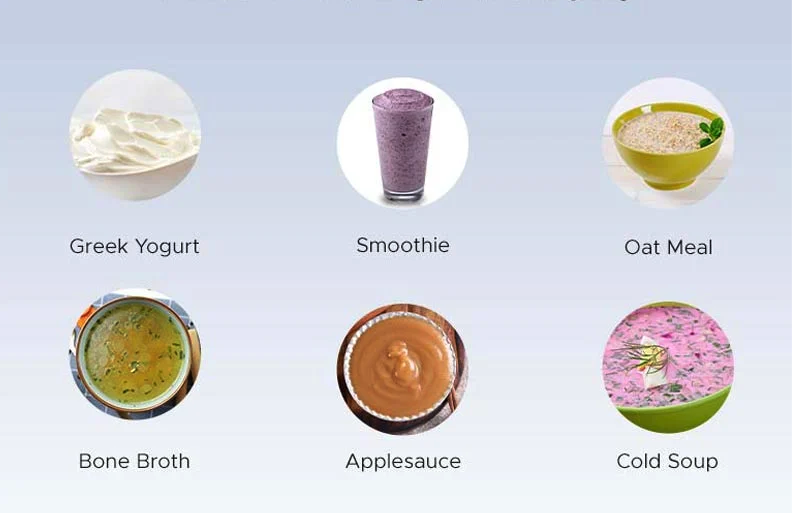
Soft Foods
Immediately After Surgery - First 24 Hours
The first 24 hours after implant surgery are the most critical for clot formation and initial healing. The instructions during this window are non-negotiable — deviation from them is the most common cause of preventable complications.
Do NOT Do Any of These for 24–48 Hours
No spitting – even gently. Spitting creates negative pressure that can dislodge forming blood clots. Instead, allow saliva and any minor bleeding to drip passively into a sink or gauze.
No rinsing forcefully – for the first 24 hours, do not rinse your mouth at all. After 24 hours, rinse very gently with warm salt water 3x per day.
No straws – the suction created by a straw can dislodge clots from all surgical sites.
No smoking – for at least 72 hours (ideally 2+ weeks). Smoking is the single most significant risk factor for implant failure and surgical site complications.
No blowing your nose – especially critical after upper arch surgery or sinus lifts. If you must sneeze, sneeze with your mouth open to prevent pressure buildup in the sinus.
Managing Bleeding
Some minor oozing or blood-tinged saliva is completely normal for the first 12–24 hours. If gauze was placed, bite down firmly and steadily (not chewing) for 30–45 minutes, then replace as needed. If bleeding is bright red and does not slow within 45 minutes of firm gauze pressure, contact our office or proceed to urgent care.
Ice and Swelling Management
Apply an ice pack to the outside of your face over the surgical area – 20 minutes on, 20 minutes off – for the first 24–36 hours. Swelling typically peaks at 48–72 hours and then gradually resolves. Do NOT apply ice after the first 36 hours; transition to warm compresses after that point to promote circulation.
Rest with Head Elevated
Rest for the remainder of the day. Keep your head elevated above heart level when lying down — use extra pillows or a recliner. Avoid bending over, lifting anything over 10 lbs, or any strenuous activity for at least 3–5 days. Elevated blood pressure increases bleeding risk.
Post-Operative Diet -What You Can Eat & When
Your diet will evolve over the weeks following surgery as healing progresses. The goal is to provide nutrition without placing any stress on healing surgical sites or implants.
Days 1-2: Liquid Diet Only
- Room-temperature broths, soups (no chunks), protein shakes
- Yogurt, pudding, applesauce, gelatin
- Smoothies - do not use a straw; sip from a cup
- Milk, juices (avoid citric acid if irritating)
- Nothing hot - temperature increases bleeding risk
Days 3-14: Soft Diet
- Scrambled eggs, soft tofu, mashed potatoes
- Oatmeal, cream of wheat, soft-cooked rice
- Soft fish (tilapia, salmon), ground meat
- Avocado, soft-cooked vegetables, bananas
- Hummus, soft cheeses, cottage cheese
Weeks 2-8: Progressing Soft Diet
Gradually reintroduce firmer foods as comfort allows. Chew away from surgical sites whenever possible. For All-on-4 patients: the full soft diet continues for 6-8 weeks while osseointegration begins. For single-tooth implants: you may return to a normal diet more quickly on the non-surgical side.
Foods to Avoid Throughout Healing
Hard, crunchy, or brittle foods (chips, crackers, nuts, raw carrots, hard candy) · Chewy or sticky foods (bagels, gummy candy, tough meats) · Seeds and grains that can lodge in surgical sites · Spicy or highly acidic foods · Carbonated beverages for the first week · Alcohol while on prescribed medications
Oral Hygiene After Implant Surgery
Maintaining a clean surgical environment is essential to preventing infection — the primary preventable cause of implant failure. The challenge is cleaning effectively without disturbing healing tissue.
Brushing
Do not brush the surgical site for the first 24–48 hours. After that, use an extra-soft toothbrush and very gentle pressure to clean the surgical area. Do not use any electric toothbrush on or near implant sites for at least 2 weeks. Continue brushing all non-surgical teeth normally.
Rinsing
Beginning 24 hours after surgery: rinse gently with warm salt water (1/4 tsp salt in 8 oz warm water) 3–4 times per day and after every meal. If chlorhexidine rinse was prescribed, use it as directed — typically twice daily. Never rinse forcefully.
Water Flosser
Medications -Post-Operative Protocol
Pain Management
Most patients find over-the-counter ibuprofen (Advil/Motrin) — taken with food — to be the most effective pain management for implant surgery. Take 400–600mg every 6–8 hours for the first 2–3 days, even if you are not yet feeling pain, to establish a consistent anti-inflammatory level. Alternate with acetaminophen (Tylenol) every 3 hours if needed for stronger coverage. Do NOT exceed labeled daily doses of either medication.
If a prescription pain medication was provided, take it as directed. Do not drive or make important decisions while using prescription pain medication.
Antibiotics (If Prescribed)
Complete the entire antibiotic course as prescribed, even if you feel well before finishing. Do not skip doses. Take antibiotics with food to reduce stomach upset. Probiotics (taken 2+ hours away from the antibiotic dose) may reduce gastrointestinal side effects.
Warning Signs - When to Call Us
Contact Us Immediately If You Experience:
Bright-red, heavy bleeding that does not slow with 45 minutes of firm gauze pressure · Fever above 101°F (38.3°C) · Severe pain not responding to prescribed medication · Increasing swelling or pain after Day 4 (swelling should be improving by then) · Pus, unusual discharge, or foul taste at surgical site · Implant feeling loose or mobile · Difficulty breathing or swallowing · Numbness or tingling in your lip, chin, or tongue that does not resolve within hours of surgery
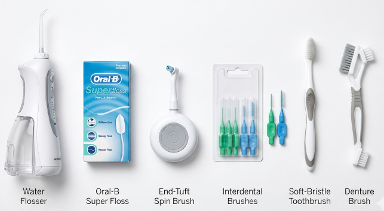
Long-Term Hygiene Tools for Implant Patients
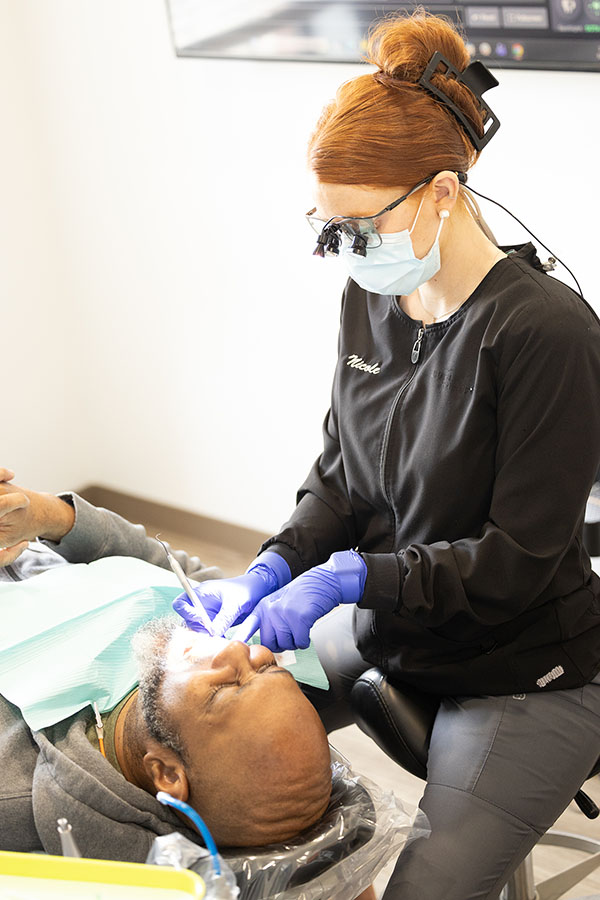
Professional Maintenance Visit
Long-Term Implant Care -After Healing Is Complete
Once osseointegration is confirmed and your final restoration is delivered, implant maintenance becomes a lifelong commitment — but it is straightforward. Implants do not decay, but the tissue and bone surrounding them can be affected by peri-implantitis (implant-related gum disease) if hygiene is neglected.
Daily Hygiene Protocol (All Implant Types)
- Brush twice daily with a soft-bristle brush and non-abrasive toothpaste
- Use interdental brushes or floss threaders to clean around implant crowns and bridge pontics daily
- Water flossers (Waterpik) are highly recommended for full-arch patients — use at low-to-medium pressure
- Chlorhexidine rinse may be recommended periodically by Dr. Adatrow
- Avoid abrasive whitening toothpastes and stiff-bristle brushes — they scratch prosthetic surfaces
Professional Maintenance Schedule
Implant patients should plan for professional maintenance every 3–6 months — more frequent than standard dental cleanings, because early peri-implant issues are far easier and less costly to treat than advanced peri-implantitis. At each visit, the hygienist will clean around implant components using implant-safe instruments, check tissue health, and probe for any early inflammation. Radiographic follow-up is performed periodically to monitor bone levels.

Questions About Your Recovery? Call Us.
Advanced Dental Implant & TMJ Center · Southaven, MS · Serving Memphis, Germantown, Collierville, Bartlett, Cordova, Arlington, Millington, Covington & Oakland, TN · (662) 655-4868
When can I return to work after implant surgery?
For desk or sedentary work: most patients return within 1–3 days. For physical labor, strenuous activity, or patient-facing roles: Dr. Adatrow typically recommends 5–7 days off for single implants and 7–14 days for full-arch cases. Each case varies — discuss your specific job with Dr. Adatrow at your consultation so expectations are set accurately.
My face is very swollen - is that normal?
Yes — swelling is the body's normal inflammatory healing response and is expected after implant surgery, especially full-arch cases. Swelling typically peaks at 48–72 hours after surgery and then steadily resolves. Ice for the first 36 hours and elevation help minimize it. If swelling is worsening significantly after Day 4, or is accompanied by fever or increased pain, contact our office.
Can I exercise after implant surgery?
No exercise for a minimum of 3–5 days after single-implant procedures, and 7–10 days after full-arch surgery. Physical exertion raises blood pressure and heart rate, increasing bleeding risk and inflammation. Light walking is acceptable after Day 3 for most patients. Return to full exercise when all swelling has resolved and Dr. Adatrow has cleared you.
Pre-Op Checklist
- Fast 6–8 hrs (IV sedation)
- Arrange responsible driver
- Wear loose short-sleeved clothing
- No smoking 48hr before
- No alcohol 24hr before
- Fill prescriptions in advance
- Prepare recovery area at home
- Stock soft foods
First 24hr Post-Op
- NO spitting
- NO rinsing forcefully
- NO straws
- NO smoking
- Ice 20 min on / 20 min off
- Head elevated when resting
- Liquid diet only
- Bite gauze for bleeding
Questions About Recovery?
Call our Southaven center – we’re here to support you through every phase of healing.
Preparation Is the Foundation of Great Outcomes
Serving Memphis, Germantown, Collierville, Bartlett, Cordova & all surrounding communities. We walk every patient through these instructions at their consultation - no surprises on surgery day.